

Nothing More Than This
Week Five and the magic awaiting your attention

There are a thousand ways to come back to yourself.
Some people find it in the stillness of meditation, others in the rhythm of prayer repeated three, and still others in the loop of a stitch, the stroke of a paintbrush, or simply noticing the shadows shifting on a sidewalk.
This week, we’re exploring how moments of attention and intention—however they show up for you—can become anchors in your daily ritual practice.
The universal language of presence
Whether you call it prayer, meditation, mindfulness, or simply paying attention, the essence is the same: we’re practicing two fundamental elements that transform ordinary time into something more.
Attention: waking up to what’s actually here
Intention: aligning our actions with what truly matters
Pádraig Ó Tuama, host of the Poetry Unbound podcast and author of Daily Prayer with the Corrymeela Community, has one of my favorite descriptions of prayer: “Prayer is rhythm. Prayer is comfort. Prayer is disappointment. Prayer is words and shape and art around desperation, and delight and disappointment and desire.”
I appreciate that he doesn’t say prayer solves things. He says it creates shape around them . . . it gives form to what we might carrying. That’s what a ritual practice can do . . . it won’t fix our days, but they help us inhabit them more fully.
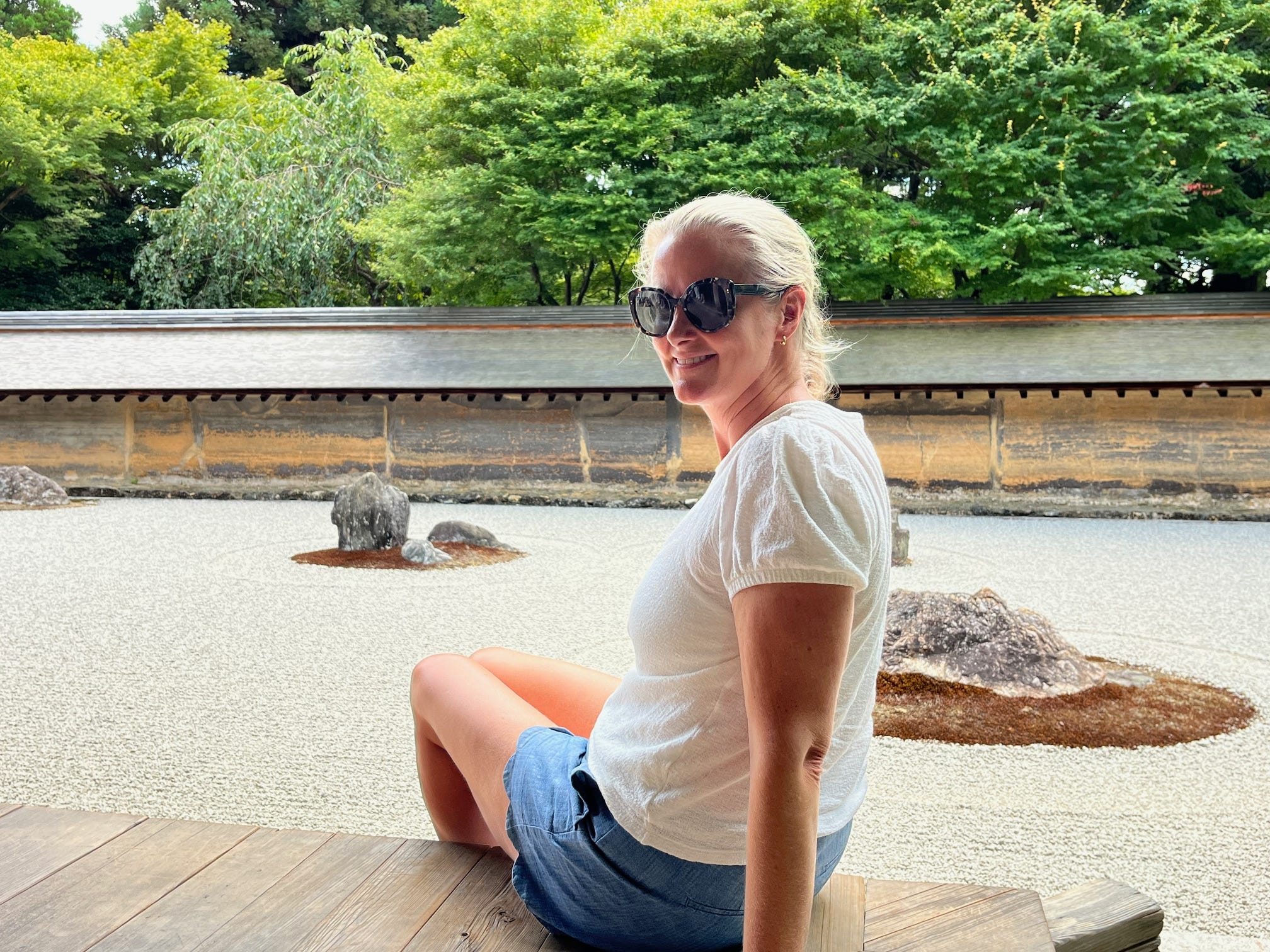
This week doesn’t require belief
You don’t need to identify as spiritual to experience the benefits of intentional pause. You don’t need formal practices, special equipment, or inherited traditions—though if you have them, they can be beautiful anchors. What matters most is your willingness to slow down and pay attention.
The research backs this up. Regular practices of attention—whether through prayer, meditation, or creative engagement—have been shown to reduce stress, lower blood pressure, improve sleep quality, and strengthen our immune systems. (Ancient wisdom has again been validated by modern science and it’s likely not the last time.) But more than that, these practices help us remember who we are when we’re not rushing to the next thing.
Creativity as a daily practice
Something interesting is happening in the research on well-being: creativity is moving out of the “arts” category and into the broader conversation about health, adaptability, and resilience. This matters because for too long, creative practice has been dismissed as entertainment—something extra, something for people with artistic talent, something to do when the “real work” is finished.
But the evidence tells a different story. According to a recent New York Times article, regular creative activity is associated with reduced cortisol levels, improved mood and emotional regulation, increased cognitive flexibility, strengthened neural connectivity, and greater resilience and problem-solving capacity.
The threshold to reap the benefits is lower than most people assume. It doesn’t require hours, just five minutes counts, and consistency matters more than duration. Sound familiar? That’s why I think regular acts of creativity are perfect inclusions for a ritual practice.
These aren’t “art projects,” they’re small neural workouts and experiments in meaning making. When you doodle, rearrange shapes, write for five minutes, work within a constraint, or simply notice color, you’re not decorating your life—you’re strengthening your mind in the same way movement strengthens your body.
And you don’t have to be good at any of this, all you have to do is take part. This includes crafting—knitting, pottery, paint-by-number. It can includes performing arts like dance, visual arts like photography, literary arts like reading or writing poetry. Even baking bread counts and so does visiting a museum.
I recently found this woman who committed to painting every day. On a day when inspiration ran dry, she painted circles—just circles (although very beautiful circles, IMHO). The point wasn’t brilliance, it was devotion to the practice.
My own experiments in creativity
One simple place to begin is with something inherently low-stakes: a card or a handwritten letter. Just this past week, I made Valentine’s Day cards for my family. I’m not much of an artist, so they were essentially collage cards—cut images, glued scraps of paper, simple sentiments. Nothing museum-worthy, but that was precisely the point.
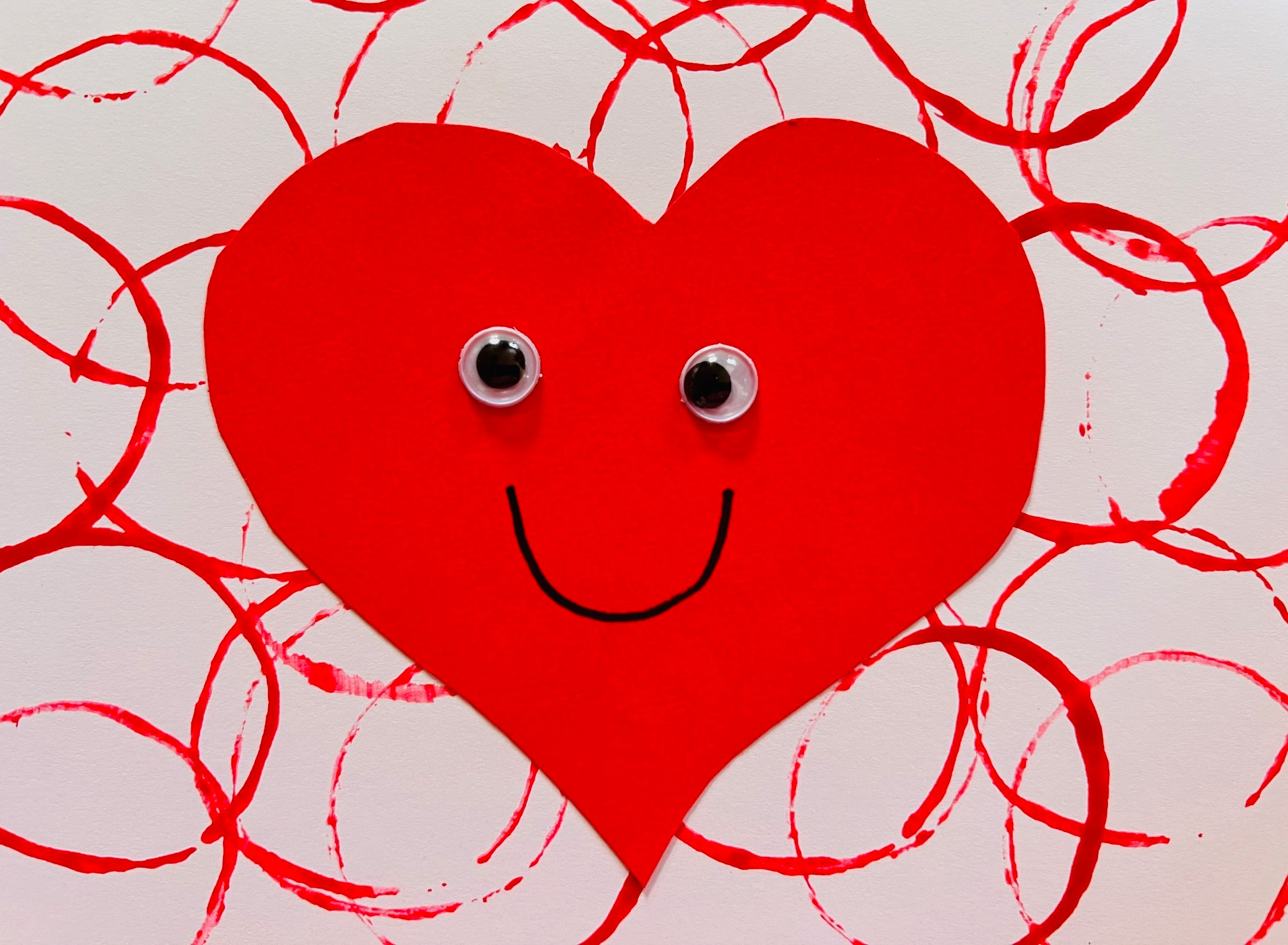
The finished products looked like something a fourth grader might bring home, but cards have a built-in grace . . . they are meant to be temporary. Most end up in the recycling bin after a few weeks so there is no pressure to create something precious or permanent. There’s no need to be impressive, just the simple act of making something with my hands while holding someone I love in my mind. In that sense, the making became its own kind of meditation—an embodied reminder that attention and intention are what make an act meaningful.
Bringing noticing into your ritual practice
If meditation feels intimidating or if artmaking still sounds like something other people are good at, I have the perfect fun and easy entry point for you: noticing.
I’ve written before about the practice of noticing—a form of mindfulness that asks nothing more than slowing down and paying deliberate attention to what’s around you. Whether it’s a one-block walk in Paris (where I stumbled upon a Marian shrine) or the concrete landscape around my less-than-inspiring office park, the practice remains the same: walk slowly, choose a theme if you like (a color, a texture, a sound), and simply notice.
This approach comes from Rob Walker, author of The Art of Noticing, whose work I reference frequently. While Rob teaches creativity rather than meditation, his practice has quietly helped countless people reawaken to the world around them. His daily ritual is beautifully simple: breathing exercises in the morning, three pauses throughout the day to record observations, and an evening review—not to judge, but to gauge his connection to the world. When I asked if he ever scrambles to fill his notebook, he laughed: “I just try to do better the next day.”
I’ve incorporated noticing into my own afternoon ritual. Some days I set out looking for something that makes me smile. Other days I just walk and let the world show me what it wants to reveal— the birdsong I hadn’t heard before, plant shadows shifting across the pavement, or a defiant flower pushing through concrete.
The world always offers its gifts when we slow down enough to receive them.
Making it yours
Here are some ways you might experiment with attention and intention this week:
Prayer or reflection:
A single repeated phrase before meals
A moment of gratitude at day’s end
Whatever words or version of silence feel right to you
Creative practices:
Make simple cards for people you love (collage, watercolor, even just words on paper)
Start a low-stakes craft project (knitting, coloring, needlepoint)
Visit a local museum
Read poetry aloud
Noticing exercises:
Try a one-block walk—choose a single block and walk it slowly, with no agenda
Look out a window for ten minutes and jot down what you see
Keep a nature log of one specific spot over time, watching how it changes
The key isn’t finding the “correct” practice, it’s finding what resonates with you personally, what you can sustain, and what brings even a small sense of peace or clarity to your day.
This week’s invitation
Between now and next week, I invite you to add just one moment of attention and intention to your day. It doesn’t need to be a full meditation practice or an elaborate art project, try just one pause.
Then notice:
How does this pause affect your nervous system?
How does it change the quality of your day?
What surprises you about the practice of paying attention?
Next week, we’ll bring everything together and explore how consistent ritual practice creates what I call the “ritual flywheel”—where small everyday actions can compound into profound transformation.
Until then, may you find the magic in the overlooked!